Reviewing Nurse Doctor Medical for Embroidery
As a designer who has spent years digitizing patterns and testing them on everything from stiff denim to delicate baby knits, I approach every new machine embroidery design with a critical eye. It is not just about whether the image looks cute on a screen; it is about how those lines translate into thread, how the fabric reacts to the needle penetration, and ultimately, whether the finished product holds up to wear and washing. Recently, I took a close look at Nurse Doctor Medical, a graphic asset that caught my attention for its potential in the healthcare appreciation niche. While listed under Freebies and categorized as Graphics, its utility extends far beyond simple digital display if handled correctly.
First Impressions and Visual Personality
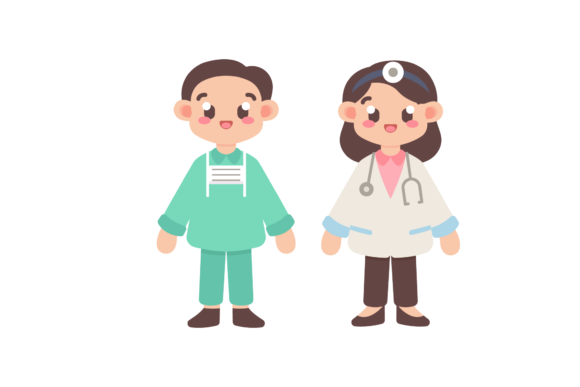
The first thing I noticed about Nurse Doctor Medical is its clean, professional aesthetic. In the world of medical-themed crafts, there is a fine line between looking clinical and looking caring. This design leans toward the latter, offering a visual personality that feels respectful and celebratory rather than sterile. The layout is balanced, which is crucial when you are working within the constraints of an embroidery hoop. A cluttered design often results in messy stitching, but the clear shapes here suggest that, with proper digitizing or careful application, the result could be crisp and readable.
For embroidery designers and Etsy sellers, the mood this piece creates is one of gratitude and professionalism. It fits naturally into projects aimed at nurses, doctors, EMTs, and medical students. Whether you are creating a gift for Nurse’s Week or a graduation present for a new physician, the theme is universally recognized. However, since this is provided as a graphic file rather than a pre-digitized stitch file, the responsibility falls on the creator to ensure the translation from pixel to thread maintains this clarity.
Real-World Application: The Custom Tote Bag Test
To truly evaluate a design, I mentally place it on a real product. Let’s consider a canvas tote bag, a popular item for craft business owners. Canvas is a sturdy fabric that handles higher stitch density well, making it an ideal candidate for detailed graphics. If I were to use Nurse Doctor Medical on a tote, I would likely opt for a larger hoop size to allow the details to breathe. The design’s structure suggests it would work beautifully as a central focal point.
In this scenario, I imagine using a satin stitch for the outlines to create a raised, textured look that catches the light, while using a fill stitch for any larger solid areas to ensure coverage without excessive bulk. The contrast between the thread colors and the natural beige of the canvas would be key. A deep navy or surgical blue thread would pop against the fabric, reinforcing the medical theme. This kind of custom apparel or accessory project relies on the design being instantly recognizable from a distance, and the bold lines of this graphic support that need.
Versatility Across Products
Beyond tote bags, Nurse Doctor Medical has strong potential for sweatshirt embroidery. Hoodies and crewnecks are staples in the personalized gift market. Here, the texture of the fleece adds a challenge. The pile of the fabric can swallow small details, so I would advise simplifying any intricate parts of the graphic before stitching. If the design includes fine lines, converting them to a slightly thicker running stitch or removing them entirely might be necessary to prevent the threads from sinking into the fabric.
For baby embroidery projects, such as onesies or burp cloths, caution is required. Babies have sensitive skin, and the back of the embroidery must be smooth. If this design is dense, it could feel scratchy against a infant’s neck. In such cases, using a soft stabilizer and ensuring the thread tension is perfect is non-negotiable. Alternatively, this graphic could serve as an applique design base, where fabric pieces are stitched down rather than filling the entire shape with thread, reducing bulk and increasing comfort.
Another viable option is the embroidered patch. Patches are trending in boutique branding and uniform customization. By stitching Nurse Doctor Medical onto a twill backing and cutting it out, you create a durable asset that can be ironed or sewn onto scrub caps, lab coats, or backpacks. This method bypasses many fabric-specific issues, as you control the stabilizer and backing completely during the creation process.
Technical Considerations for Designers
It is important to address the file formats provided. The product description states you receive 6 digital files, including AI, EPS, SVG, and DXF formats, with a canvas size of 1920px by 1280px. These are vector and graphic files, not native embroidery machine files like PES or DST. This distinction is vital for digital embroidery file users. You cannot load an SVG directly into most home embroidery machines without conversion software or professional digitizing services.
For the experienced designer, this is an opportunity. You can import the SVG or AI file into your digitizing software to create a custom embroidery file tailored to your specific machine and hoop. This allows you to control the stitch type, direction, and density. For the hobbyist, this might be a hurdle. If you are not familiar with digitizing, you will need to convert these graphics into stitch files before proceeding. Always check the license terms associated with these design assets to confirm whether you can sell the resulting digitized files or only the physical handmade product.
Challenges with Fabric and Hoops
When working with curved surfaces like caps, the distortion of the design is a real risk. Nurse Doctor Medical should be tested on a cap frame with appropriate cut-away stabilizer to prevent puckering. On thin or stretchy fabrics, such as performance scrubs, the design may pull the fabric out of shape if the density is too high. In these cases, using a water-soluble topping can help keep the stitches on the surface of the fabric rather than sinking in.
Dark fabrics present another challenge. If the design relies on light thread colors, you may need to add an underlay stitch or a white background fill to ensure the colors remain vibrant. Without this, the dark fabric can show through the stitches, muddying the visual appeal. Always test your thread colors on scrap fabric identical to your final project material. What looks good on a white cotton swatch may look entirely different on a navy polyester blend.
Enhancing Product Value and Trust
Using a well-chosen design like Nurse Doctor Medical can significantly boost the perceived value of your small shop product. Customers associate clean, professional graphics with quality craftsmanship. When you pair this with neat stitching and high-quality materials, you build trust. For commercial embroidery projects, such as bulk orders for a hospital unit, consistency is key. Ensuring that every item looks identical requires precise hooping and consistent tension, but the reward is a polished, professional result that reflects well on your brand.
Furthermore, this design lends itself well to holiday embroidery themes, such as combining the medical motif with seasonal elements for Christmas or Valentine’s Day gifts for healthcare workers. This versatility allows you to create multiple product listings from a single core design, maximizing your return on investment.
Final Verdict and Practical Advice
In conclusion, Nurse Doctor Medical is a versatile graphic asset with strong potential for embroidery projects, provided you handle the technical conversion with care. It is not a plug-and-play stitch file, but rather a foundational design element for creators who understand the nuances of digitizing. My advice is to start small. Create a printable mockup to visualize the scale, then stitch a test sample on scrap fabric. Check the back for cleanliness, the front for clarity, and the feel for comfort.
Whether you are making a tote bag design for a local craft fair or a personalized gift for a beloved family member in the medical field, this design offers a respectful and stylish option. Just remember to respect the limitations of your materials, choose your stabilizers wisely, and always verify the licensing for commercial use. With attention to detail, this graphic can become a standout feature in your embroidery portfolio.