Reviewing the Nurse Doctor Profession Vector for Embroidery
As a designer who spends half my life digitizing and the other half stitching, I have learned that not every pretty graphic translates well to thread. When I first pulled up the Nurse Doctor Profession Vector, my immediate reaction was one of cautious optimism. In the world of medical-themed crafts, designs often fall into two traps: they are either too clinically sterile or overly cartoonish. This piece, however, strikes a balance that feels respectful yet approachable. It is clean, symbolic, and carries a visual weight that suggests it could hold its own on a finished product.
For those of us running small shops or creating personalized gifts, the difference between a design that looks like a sticker and one that looks like premium embroidery is entirely in the details. Let’s break down how this vector performs when we move from the screen to the sewing machine.
First Impressions and Visual Personality
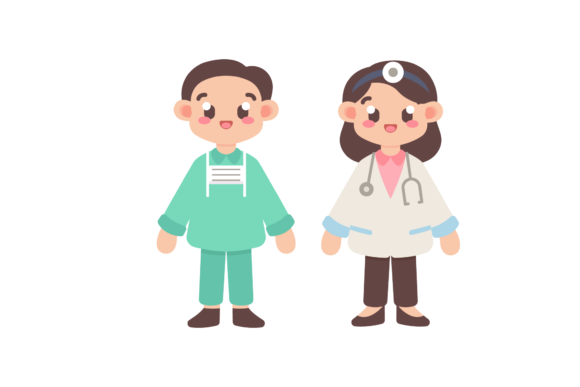
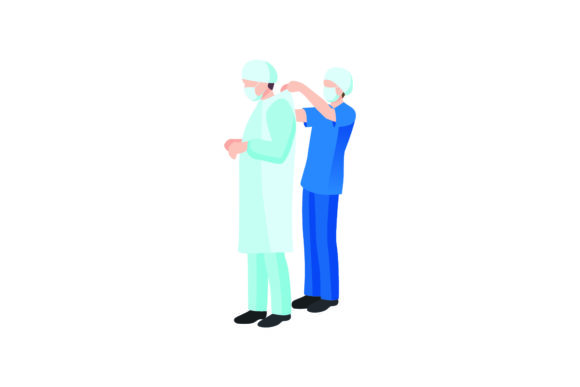
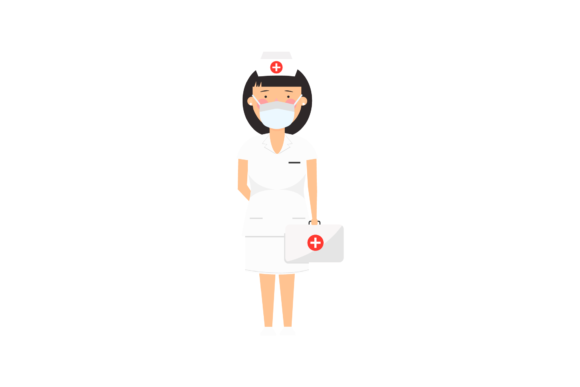
The mood of the Nurse Doctor Profession Vector is professional but warm. It avoids the clutter that plagues many medical illustrations, focusing instead on recognizable symbols of care. From a layout perspective, the composition is balanced. This is crucial because embroidery is a tactile medium; if a design is too busy, the stitches can merge into a muddy mess, especially on textured fabrics.
Looking at the lines, I see potential for crisp execution. The vector nature of the file means the edges are sharp, which is a good starting point for digitizing. However, as an experienced reviewer, I know that a smooth SVG line does not guarantee a smooth satin stitch. The design’s simplicity is its greatest asset here. It allows for clear definition, meaning the final embroidered patch or direct stitch-out will be legible even from a distance. This clarity is essential for items like tote bags or aprons, where the design needs to make an instant visual impact.
Real-World Application: The Custom Scrub Cap Scenario
To truly evaluate this design, I imagined a specific real-life scenario: a custom order for a nurse graduating from nursing school. The client wanted a set of scrub caps and a tote bag. This is a common request for Etsy sellers and craft business owners, especially during graduation seasons or Nurse Week.
For the scrub cap, the Nurse Doctor Profession Vector would need to be scaled down significantly. Here is where my designer instincts kick in. Because the design relies on clear shapes rather than intricate shading, it has a high probability of surviving the reduction in size without losing its identity. On a curved surface like a cap, dense stitching can cause puckering. If this design were digitized with appropriate run stitches for outlines and moderate fill density, it would sit flat against the fabric. The result would be a professional-looking accessory that the wearer would be proud to display in a clinical setting.
For the accompanying tote bag, the design could be enlarged. On canvas or heavy cotton, the texture of the fabric can swallow small details. Since this vector is bold, it would stand out beautifully against a neutral background. Using contrasting thread colors—perhaps a deep navy or medical teal on a natural canvas—would enhance the visibility of the graphics. This versatility makes it a strong candidate for bundled products, increasing the perceived value for the customer.
Technical Considerations for Stitching
While the visual appeal is strong, we must discuss the technical translation. The product description notes that you receive AI, EPS, SVG, and DXF files. It is important to remember that these are Illustrations and Graphics, not native machine embroidery files like PES or DST. This distinction is vital for hobbyists who might assume they can load an SVG directly into their machine.
You will need to digitize this design or hire a digitizer. When doing so, pay close attention to stitch density. Medical symbols often include crosses or staffs with thin lines. If these are digitized with too wide a satin stitch, they may look bulky. A combination of running stitches for fine details and satin stitches for borders usually yields the best result. Always test the design on scrap fabric first. Check how the thread colors interact with your chosen stabilizer. A cut-away stabilizer is often best for stretchy fabrics like scrubs, while a tear-away might suffice for woven tote bags.
Another critical factor is fabric texture. If you are stitching this onto a fluffy towel or a thick sweatshirt, the pile of the fabric can obscure fine lines. In such cases, consider using an applique technique. You could use the vector as a template to cut felt or cotton shapes, then stitch around the edges. This reduces stitch count, prevents puckering, and adds a dimensional, handmade quality that customers love.
Commercial Viability and Brand Consistency
For Etsy sellers and boutique owners, consistency is key. The Nurse Doctor Profession Vector offers a clean aesthetic that fits well with modern, minimalist branding. It does not scream "cheap souvenir"; instead, it whispers "thoughtful gift." This perception directly impacts buyer engagement and trust. When a customer sees a crisp, well-executed design on a baby onesie or a personalized pillow cover, they associate that quality with your brand.
However, you must be mindful of where you place the design. On dark fabrics, ensure your digitizing includes underlay stitches to prevent the background color from showing through the top threads. On light fabrics, avoid overly dense fills that can make the fabric stiff and uncomfortable, particularly for baby embroidery or apparel that sits against the skin.
Practical Designer Notes
Before you commit to a large production run or list this as a new item in your small shop product line, keep these practical tips in mind:
- Check Licensing: Confirm the license terms for commercial use. Ensure you are allowed to sell finished physical items featuring this design.
- Test Hoop Sizes: Determine the minimum hoop size required to maintain detail integrity. Do not force a large design into a small hoop without resizing and re-digitizing.
- Contrast is King: Use high-contrast thread colors to maximize readability, especially for items like caps where lighting conditions vary.
- Mockup Verification: Create printable mockups on both light and dark backgrounds to visualize the final product before stitching.
- Stabilizer Selection: Match your stabilizer to the fabric. Stretchy knits need robust support to prevent distortion during stitching.
In conclusion, the Nurse Doctor Profession Vector is a solid foundation for a variety of embroidery projects. It respects the profession it represents and offers enough flexibility for creative interpretation. Whether you are creating holiday embroidery gifts, custom apparel for healthcare workers, or decorative patches, this design holds up under scrutiny. Just remember that the vector is only the beginning; the true artistry lies in how you translate those lines into thread.