Reviewing Nurse Profesion Arts Vector for Embroidery
As a designer who spends half my life digitizing and the other half stitching, I have learned that not every pretty graphic translates well to thread. When I first pulled up Nurse Profesion Arts Vector, my immediate reaction was one of cautious optimism. The visual personality is clean and professional, which is exactly what you want when creating items for healthcare workers or medical-themed gifts. However, seeing a design on a screen and seeing it stitched out on a sweatshirt are two very different experiences. This review breaks down how this asset performs in real-world embroidery scenarios, focusing on practical application rather than just aesthetic appeal.
First Impressions and Visual Mood
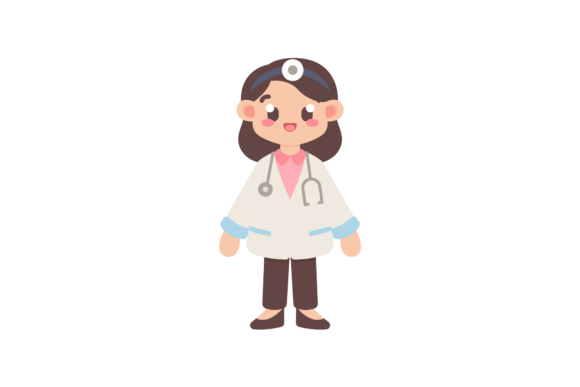
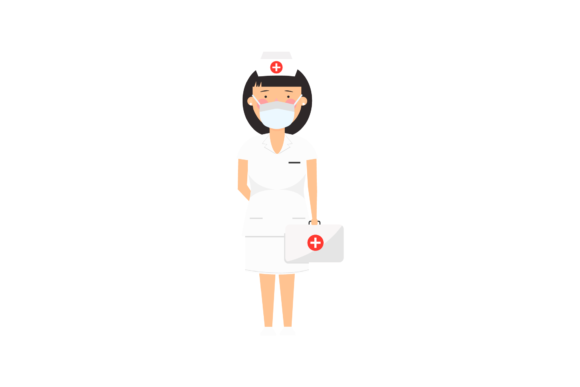
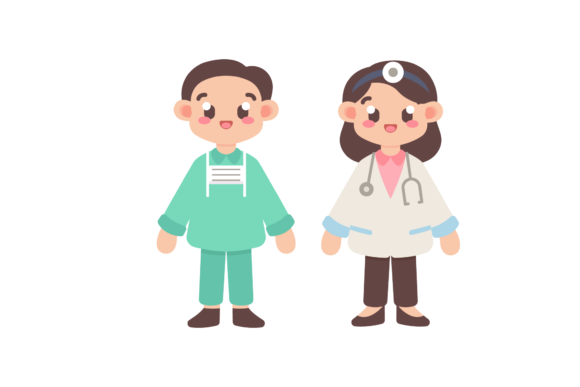
The mood of Nurse Profesion Arts Vector is respectful and celebratory. It avoids the overly cartoonish tropes sometimes found in medical graphics, opting instead for a balanced layout that feels modern. For embroidery designers, the shape and detail level are critical. The lines appear crisp in the provided Illustrations and Graphics formats, which suggests that with proper digitizing, the stitch paths can remain clean without excessive jumping or trimming.
When evaluating the theme, I immediately thought of its versatility. This is not just a logo; it is a statement piece. Whether you are designing for a nursing graduation, a hospital appreciation week, or a personalized gift for a mentor, the design carries enough weight to stand alone on a garment. The visual clarity is high, which is essential for maintaining professionalism in commercial embroidery projects.
Real-World Application: The Custom Tote Bag Test
To truly test the viability of Nurse Profesion Arts Vector, I imagined a specific client project: a custom embroidered tote bag for a group of nursing students. Tote bags are popular handmade products, but they present unique challenges due to the fabric texture and potential for stretching.
In this scenario, the design’s layout works in our favor. Because the canvas size is listed as 1920 px by 1280 px, we have a high-resolution source file to work from. This allows us to scale the design appropriately for a standard hoop size without losing edge definition. If I were stitching this on a heavy cotton canvas, I would likely use a fill stitch for the larger solid areas to ensure coverage, while relying on satin stitch for the borders to create a raised, tactile effect. The result would be a durable, high-value item that feels substantial in the hand.
Beyond tote bags, consider sweatshirt embroidery. A crewneck sweatshirt is a staple for medical professionals who spend long hours in cold hospitals. Here, the design needs to breathe. If the original vector has tight corners or tiny text, those areas might require simplification during the digitizing process to prevent thread breaks or puckering. The Nurse Profesion Arts Vector seems robust enough to handle medium-density stitching, making it a strong candidate for apparel decorators looking for reliable design assets.
Navigating Fabric and Hoop Constraints
While the design is versatile, there are places where you must proceed with caution. Embroidery is unforgiving on certain surfaces. If you plan to use this on thin fabric, such as a lightweight tri-blend t-shirt or a silk scarf, the stitch density becomes a major concern. Heavy fill stitches can cause the fabric to pucker or distort, ruining the finished product. In these cases, I recommend using a cut-away stabilizer and potentially reducing the density of the digitized file.
Curved surfaces, like caps and hats, also require careful planning. The Nurse Profesion Arts Vector should be centered carefully to avoid distortion around the seam of a cap. If the design includes small lettering, verify that the text remains legible at the reduced size required for headwear. Tiny details often get lost in the pile of the fabric or merge together if the running stitch paths are not optimized. Always test the design on scrap fabric that matches your final material before committing to the final piece.
Dark fabrics present another challenge. If you are stitching on navy or black scrubs, thread color contrast is vital. You may need to add an underlay or adjust the thread colors to ensure the design pops. A printable mockup can help visualize this, but nothing beats a physical test stitch. Check how the thread colors interact with the fabric texture under different lighting conditions to ensure the design maintains its impact.
Enhancing Brand Value and Customer Trust
For Etsy sellers and small shop owners, the quality of your embroidery directly influences customer trust. A clean, well-stitched Nurse Profesion Arts Vector signals professionalism. It shows that you care about the details, from the tension of the threads to the cleanliness of the backside. This attention to detail increases the perceived value of your handmade product, allowing you to command higher prices.
Consistency is key for boutique branding. If you are creating a line of medical-themed gifts, using a cohesive set of design assets helps build recognition. This vector fits well into a broader collection of healthcare-related illustrations. Whether used for holiday embroidery, wedding gifts for medical couples, or nursery decor for nurse parents, the design maintains a consistent tone of respect and admiration.
Practical Notes for the Embroidery Designer
Before you load this into your machine, take a moment to review the technical specifics. The product description mentions availability in AI, EPS, SVG, DXF, JPG, and PNG formats. Note that these are graphic files, not native embroidery machine files. You will need to digitize the design or convert it using specialized software. This step is crucial. Do not assume the automatic conversion will be perfect. Manual editing of stitch types, direction, and density is often required to achieve a professional result.
- Test on Scrap Fabric: Always run a test stitch on the same type of fabric you intend to use for the final product.
- Check Stabilizer Choice: Use tear-away for stable woven fabrics and cut-away for stretchy knits to prevent distortion.
- Verify Licensing: Confirm the license terms before selling finished items. Ensure you have the right to use the design for commercial embroidery projects.
- Inspect Small Details: Zoom in on the vector file to identify any tiny elements that may not stitch out cleanly and simplify them if necessary.
- Contrast Check: View the design in black and white to ensure the shapes are distinct and readable without relying on color.
Ultimately, Nurse Profesion Arts Vector is a strong contender for your next embroidery project. It offers the flexibility needed for various applications, from custom apparel to home decor. By approaching the digitizing and stitching process with a critical eye and a focus on technical precision, you can transform this digital asset into a tangible, high-quality finished product that resonates with your customers. Whether you are a hobbyist making a gift or a craft business owner scaling up production, this design provides a solid foundation for creative expression.