Nurse Doctor Safety Arts: A Designer’s Practical Review
As an embroidery designer who has spent years digitizing patterns and testing them on everything from stiff denim to delicate baby knits, I approach every new machine embroidery design with a critical eye. It is not just about whether the image looks cute on a screen; it is about how those lines translate into thread, how the fabric reacts under the needle, and ultimately, whether the finished product holds up to real-world use. Recently, I evaluated Nurse Doctor Safety Arts, a set of digital assets that sits at the intersection of healthcare appreciation and creative craft. Here is my honest assessment of how this design performs in actual production scenarios.
First Impressions and Visual Personality
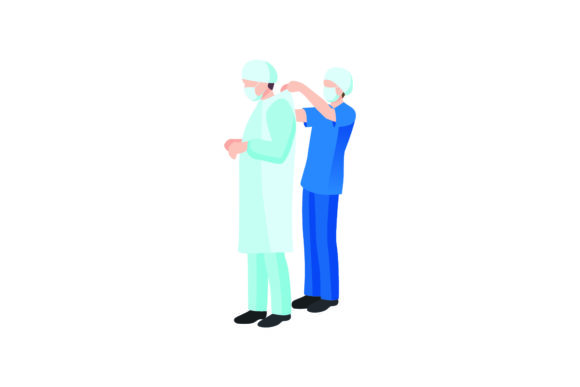
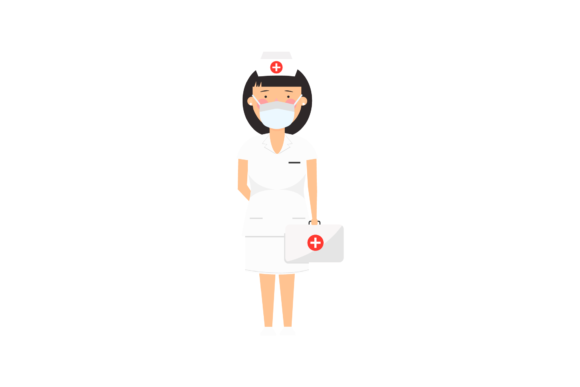
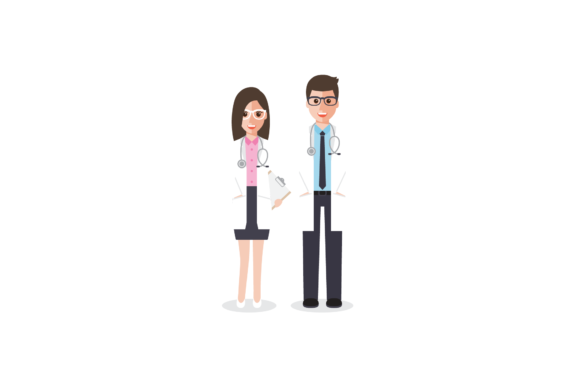
When I first opened the files for Nurse Doctor Safety Arts, the immediate impression was one of clean, purposeful illustration. The theme is unmistakable, targeting the healthcare community—a massive and loyal demographic for personalized goods. The layout feels balanced, avoiding the clutter that often plagues themed graphics. For an embroidery project, this clarity is vital. Complex, messy illustrations can turn into a tangled mess of thread breaks and puckering, but this design maintains a visual personality that suggests it will stitch out cleanly.
The mood is professional yet warm, which is exactly what you want for items intended for nurses, doctors, or medical students. It does not feel overly cartoonish, nor is it sterile. This balance makes it versatile. Whether you are creating a serious piece of boutique branding for a clinic or a lighthearted gift for a nursing school graduate, the aesthetic fits. As a collection of Illustrations and Graphics, it offers a strong foundation for customization, provided you understand the technical constraints of your machine.
Real-World Application: The Custom Tote Bag Test
To truly judge a design, you have to imagine it on a product. I visualized Nurse Doctor Safety Arts applied to a heavy canvas tote bag, a popular item for Etsy sellers and craft business owners. Tote bags require designs that are bold enough to be seen from a distance but detailed enough to look premium. In this scenario, the design’s structure works well. The shapes are distinct, meaning they won’t get lost in the texture of the canvas.
I also considered its use on a fleece sweatshirt. Sweatshirt embroidery is tricky because the fabric is thick and prone to shifting. A design with too much stitch density can make the garment stiff and uncomfortable. Based on the visual weight of Nurse Doctor Safety Arts, it appears suitable for apparel if managed correctly. It would likely look excellent as a left-chest logo on a scrub top or a larger back print on a hoodie, offering a sense of pride and identity for the wearer. For custom apparel, this kind of recognizable imagery drives customer engagement because it speaks directly to the buyer’s profession.
Technical Considerations for Embroiderers
Before you load this onto your machine, there are critical technical factors to review. The product description notes that you receive six digital files in total, with a canvas size of 1920px by 1280px. The formats included are AI, EPS, SVG, and DXF. It is crucial to note that these are primarily vector and graphic formats, not native embroidery machine files like PES or DST. This means Nurse Doctor Safety Arts serves as a high-quality source image for digitizing or for use in hybrid projects.
If you are an embroiderer, you will likely need to digitize these graphics yourself or use software that converts SVGs into stitch files. This is where your skill set matters. You must determine the appropriate stitch type for each element. Large areas might benefit from a fill stitch, while outlines could require a satin stitch or running stitch depending on the width. Pay close attention to small details. If the design includes fine lines or tiny text, you must ensure they are wide enough to be stitched without breaking. On textured fabrics or stretchy materials, these small elements can disappear or distort.
Always test the design on scrap fabric first. Check your thread colors against the fabric background. A white thread on a light gray scrub top might lack contrast, whereas a navy thread on a white tote bag would pop. Use a proper stabilizer—cut-away for stretchy knits and tear-away for stable wovens—to prevent puckering. If you are placing this on a curved surface like a cap, you must adjust the pull compensation in your digitizing software to account for the fabric’s curvature.
Where to Use Caution
While Nurse Doctor Safety Arts is versatile, it is not ideal for every situation. Avoid using it on very thin or sheer fabrics unless you are experienced with lightweight stabilization, as the density of the stitches could cause visible pulling. Be cautious with dark fabrics if the design relies on subtle shading; embroidery thread does not blend like ink, so complex gradients in the original graphic may need to be simplified into solid blocks of color for clarity.
Additionally, consider the hoop size. Ensure the design fits comfortably within your hoop without being too close to the edge, which can cause hoop burns or stitching errors. If you are creating a personalized gift like a baby onesie, scale the design down appropriately, but verify that the smallest details remain stitchable. Tiny elements on baby clothes can be scratchy or irritating, so simplicity is key.
Commercial Value and Brand Consistency
For small shop products and commercial embroidery projects, consistency is king. Using a high-quality source graphic like Nurse Doctor Safety Arts helps maintain a professional look across your product line. Whether you are making embroidered patches, aprons, or pillow covers, a clean design enhances perceived value. Customers trust products that look well-made, and a crisp, well-stitched design reinforces that trust.
This design is particularly strong for holiday embroidery gifts, such as Nurse Appreciation Week or Christmas presents for medical staff. It also works well for baby embroidery items like bibs or blankets, celebrating the next generation of caregivers. By using these design assets effectively, you can create a cohesive brand identity that resonates with your target audience.
Final Verdict for Makers
Nurse Doctor Safety Arts is a solid choice for designers and makers who understand the workflow between graphic art and embroidery. It provides the necessary raw materials—AI, EPS, SVG, and DXF files—to create high-quality printable mockups and custom stitched items. However, success depends on your ability to translate these graphics into machine-ready instructions. Respect the limitations of your fabric, choose your stabilizers wisely, and always prioritize stitch clarity over excessive detail. When used thoughtfully, this design can elevate your handmade product offerings and delight customers who take pride in their healthcare roles.