Nurse Design, Picu Nurse Color: A Designer’s Review
As a designer who has spent countless hours digitizing patterns and testing files on various machines, I approach every new machine embroidery design with a mix of curiosity and skepticism. We have all been there: you download a file that looks stunning in the preview, only to find it puckers the fabric or loses detail once stitched out. Today, I am taking a close look at Nurse Design, Picu Nurse Color. This is not just a quick glance at the thumbnail; this is an evaluation of how this asset performs when translated from a digital embroidery file into a tangible, stitched reality.
First Impressions and Visual Personality
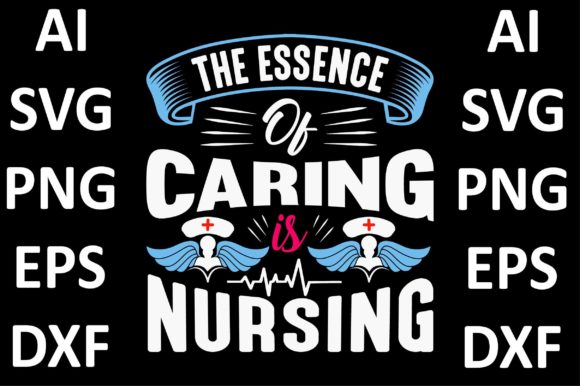
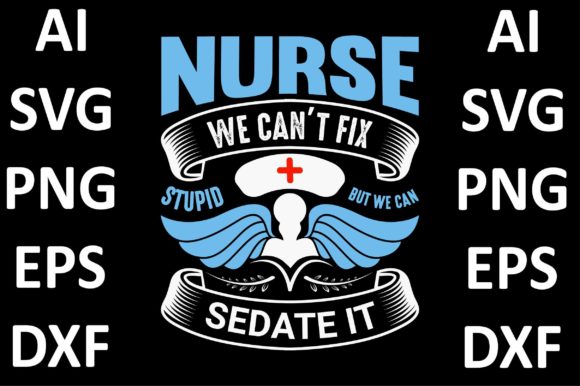
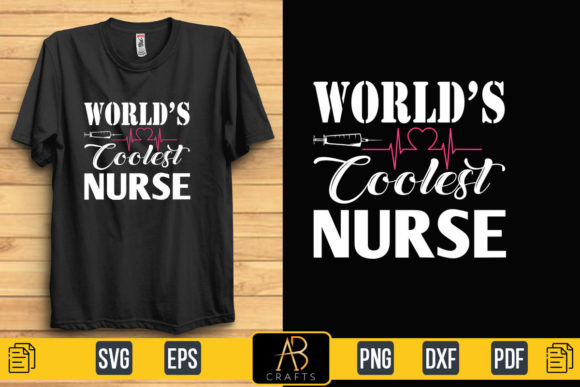
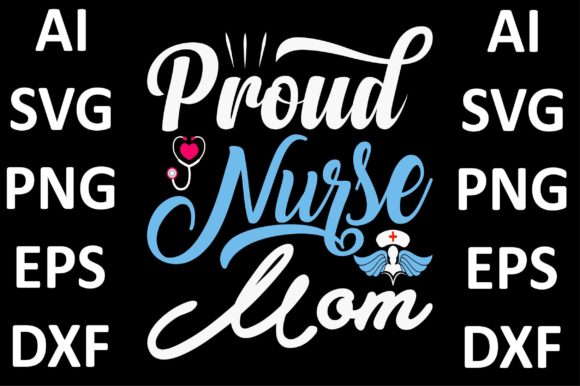
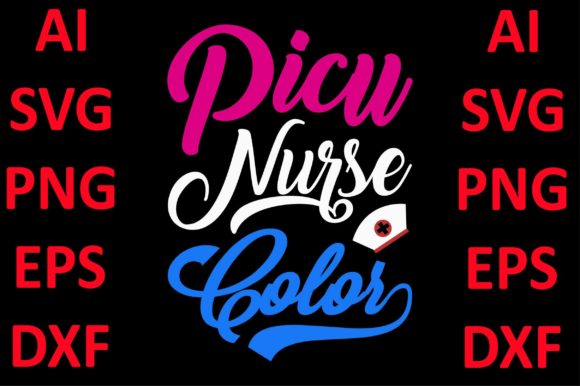
The first thing that strikes me about Nurse Design, Picu Nurse Color is its cheerful, approachable aesthetic. In the healthcare community, especially among pediatric nurses or those working in family care, there is a demand for designs that soften the clinical environment. This design captures that mood perfectly. It feels friendly and professional without being overly sterile. The layout suggests a balance between decorative elements and clear thematic recognition, which is crucial for a custom apparel piece intended for daily wear.
From a graphical standpoint, since this product falls under Print Templates and Graphics, it offers versatility beyond just stitching. The inclusion of vector and raster formats means you can use it for printed materials as well. However, my primary focus here is how these lines and colors translate to thread. The "Picu" element likely refers to a Pediatric Intensive Care Unit theme, which implies a need for gentleness and hope in the design language. If the lines are clean and the color transitions are logical, this design has high potential for creating emotional connections with patients and colleagues alike.
Real-World Application: The Custom Tote Bag Test
To truly evaluate a design, you must imagine it in a real-life scenario. Let’s say you are preparing a custom embroidered tote bag for a nursing graduation gift or a shift essential kit. A tote bag requires a design that is bold enough to be seen from a distance but detailed enough to look premium up close. Nurse Design, Picu Nurse Color seems well-suited for this. The color palette, assuming it uses standard medical blues, pinks, or whites, would pop nicely against a canvas background.
If I were stitching this on a sweatshirt for a nurse who works long shifts, comfort and durability are key. The design needs to hold up to frequent washing. This is where the quality of the original digitizing matters. If the stitch density is too high, the garment will become stiff and uncomfortable. If it is too low, the fabric might show through, ruining the visual appeal. Based on the description noting "Good time than lines," I interpret this as an emphasis on efficient stitch paths and clean outlines, which is a positive sign for production speed and fabric integrity.
Versatility Across Products
Beyond tote bags and sweatshirts, this design could shine in several other areas:
- Baby Embroidery: For NICU nurses, a smaller version of this design on a onesie or baby blanket could make a heartfelt personalized gift.
- Embroidered Patch: If the edges are well-defined, this could work as an iron-on or sew-on patch for scrubs or jackets.
- Aprons and Kitchen Towels: For nurses who love to unwind at home, a themed apron adds a touch of professional pride to domestic life.
- Etsy Listings: As an Etsy seller, offering this as a ready-to-stitch option on various garments can expand your small shop product range significantly.
Technical Considerations and Fabric Choices
While the design appears promising, practical application requires caution. Not every fabric behaves the same way. When working with Nurse Design, Picu Nurse Color, consider the following technical aspects:
Fabric Texture and Stability: If you are stitching on textured fabrics like terry cloth towels or waffle-knit shirts, the finer details might get lost. In such cases, using a cut-away stabilizer is non-negotiable to prevent distortion. For stretchy fabrics like performance scrubs, ensure you use a ballpoint needle and appropriate stabilizer to avoid skipped stitches or fabric pulling.
Dark vs. Light Fabrics: The color scheme of the design is critical here. If the design relies on light threads, it will vanish on dark navy or black scrubs. You may need to adjust the thread colors in your machine software to ensure contrast. Conversely, if the design has a white background in its PNG or SVG form, remember that embroidery does not print white ink; you must stitch the background or choose a fabric color that complements the design elements.
Hoop Size and Placement: Always check the dimensions of the design against your hoop size. If this is a large chest piece, a 5x7 or 6x10 hoop might be necessary. For caps, the curved surface requires careful hooping and potentially a different underlay strategy to prevent shifting. If the design includes tiny lettering, test it on scrap fabric first. Small text can easily become illegible if the satin stitch width is too narrow or if the fabric piles up.
Enhancing Brand Value and Customer Trust
For craft business owners and commercial embroidery professionals, the choice of design directly impacts brand perception. Using a high-quality, well-balanced design like Nurse Design, Picu Nurse Color signals professionalism. Customers can tell when a design is crisp and well-digitized. It builds trust and encourages repeat business.
Moreover, the versatility of receiving multiple formats—SVG, PNG, DXF, EPS, and AI—means you can create cohesive branding. You can use the SVG for a vinyl heat transfer on a matching water bottle, the PNG for social media mockups, and the embroidery file for the actual garment. This multi-channel approach enhances the perceived value of your finished product.
Designer Notes for Best Results
- Test on Scrap Fabric: Never stitch a new design directly on the final garment. Use a similar fabric scrap to check tension and alignment.
- Check Thread Contrast: Ensure your thread colors stand out against the fabric. Use a color chart to plan ahead.
- Review Stitch Density: If the design feels heavy, consider reducing density slightly in your software to improve drape and comfort.
- Confirm Licensing: Before selling items made with this design, verify the license terms. Most digital assets allow commercial use for physical products, but always double-check.
- Mockup Testing: Use the included PNG transparent file to create digital mockups. This helps visualize the design on different colored garments before committing to stitching.
Final Verdict
Nurse Design, Picu Nurse Color offers a compelling blend of thematic relevance and visual charm. For designers and makers targeting the healthcare niche, it provides a solid foundation for creating meaningful handmade products. Whether you are producing holiday embroidery gifts for staff or building a line of custom apparel for a hospital boutique, this design holds up well under scrutiny. Just remember to respect the technical limits of your machine and fabric, and you will achieve a professional, polished result that honors the profession it represents.